Types of Roof Flashing and Where Each Is Used
Understanding types of roof flashing and where each is used helps ensure proper installation and protection, and local contractors can provide expert installation and advice.
Understanding the different types of roof flashing and where each is used can be essential for property owners aiming to protect their investments. Properly installed flashing helps prevent leaks and water damage by directing moisture away from vulnerable areas such as chimneys, vents, and skylights. For those in the area, exploring this topic can provide practical insights into the materials and techniques that local contractors use to ensure a durable, weather-resistant roof. Whether planning a new roof installation or repairs, knowing the options available can help make informed decisions and ensure the right solutions are in place.
Many property owners find that working with experienced local service providers makes a significant difference in the quality of roof flashing work. These professionals understand the specific requirements of different flashing types and their ideal applications, ensuring each is used correctly for maximum protection. As you continue reading, you'll discover the common types of roof flashing and where they are typically installed, helping you better understand how local contractors can assist in maintaining or improving your roof’s integrity.
- Step flashing - needed at roof intersections and chimneys, with local contractors ensuring proper installation to prevent leaks.
- Drip edge flashing - used along eaves and rakes to direct water away from the roof edge, with service providers focusing on precise placement.
- Valley flashing - installed in roof valleys where two slopes meet, with local pros customizing the material to handle heavy water flow.
- Vent pipe flashing - required around vent pipes and exhaust vents, with contractors sealing and flashing to maintain a watertight seal.
- Skylight flashing - used around skylights to prevent water intrusion, with service providers ensuring a seamless, weatherproof fit.


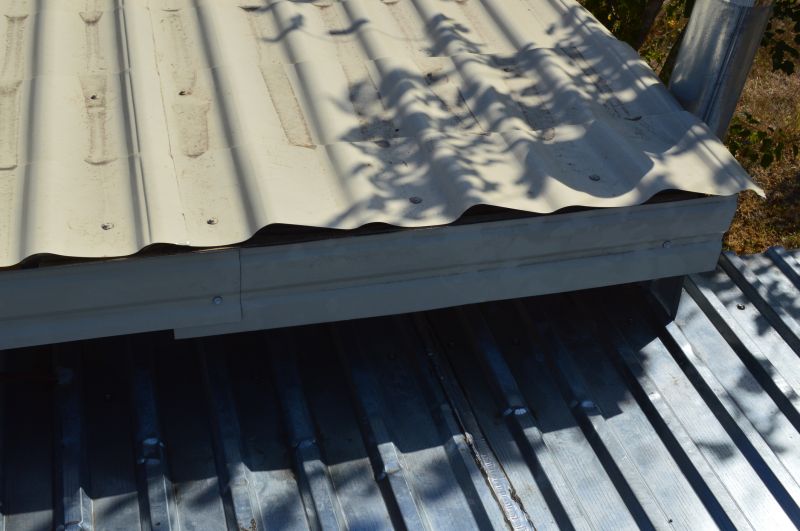
When searching for information on types of roof flashing and where each is used, homeowners often seek to understand how these components protect their property from water intrusion. Roof flashing is a critical element that seals joints, edges, and penetrations in the roof to prevent leaks and water damage. People typically explore this topic when planning a roof replacement, repair, or renovation, or when addressing ongoing leak issues. Recognizing the different types of flashing and their specific applications helps homeowners ensure their roofs are properly protected, especially in areas prone to heavy rain or snow. Local contractors specializing in roof flashing can evaluate the existing setup and recommend the best materials and placements to suit the property’s design and climate.
The topic also relates to common problems such as leaks around chimneys, vents, or skylights, which often occur due to improper or aging flashing. Homeowners may also be involved in plans to upgrade or modify their roofing system, requiring the installation or replacement of flashing to improve durability and waterproofing. Properties that frequently come up in these discussions include residential homes, especially those with complex rooflines, as well as small commercial buildings with flat or low-slope roofs. These structures often demand specific flashing types to address unique angles, penetrations, or material compatibility, making it essential to work with local service providers who understand the nuances of each application.
Understanding the different types of roof flashing involves knowing their materials and typical locations on a property. Common types include step flashing, continuous or apron flashing, valley flashing, and kick-out flashing. For example, step flashing is often used along sidewalls where the roof meets a vertical surface, while valley flashing is installed in roof valleys to channel water away. Each type is designed to handle specific scenarios and weather conditions, which is why a professional assessment is valuable. Local roof flashing specialists can identify the most suitable options based on the roof’s design, materials, and exposure, ensuring that the installation provides long-lasting protection.
Ultimately, the choice of roof flashing depends on the property's architecture, the climate, and the specific areas that require sealing. Homeowners with complex roof structures or those experiencing leaks should seek the expertise of local contractors who can recommend and install the proper flashing types for their needs. These professionals bring experience in matching materials and techniques to different roof features, helping to prevent water intrusion and extend the life of the roofing system. Properly selected and installed flashing plays a vital role in maintaining the integrity of a property’s roof, making it a key consideration in any roofing project or repair plan.
Roof inspection projects - assessing roof conditions often involves identifying areas where flashing may need repair or replacement, requiring similar planning and attention to detail as installing different types of roof flashing.
Gutter installation and repair - proper flashing is essential around gutters to prevent leaks, making these projects relevant for contractors experienced in sealing and waterproofing roof edges.
Chimney flashing replacement - replacing or installing chimney flashing shares techniques with other roof flashing work, focusing on sealing penetrations to prevent water intrusion.
Skylight installation projects - installing or repairing skylights involves flashing details that ensure watertight seals, paralleling the skills used in different roof flashing applications.
Roof vent installation - adding vents requires precise flashing to maintain roof integrity, aligning with expertise in various flashing types and their specific uses.
Siding and fascia work - installing or repairing siding often involves flashing techniques to protect roof edges and prevent water damage, similar to roof flashing services.
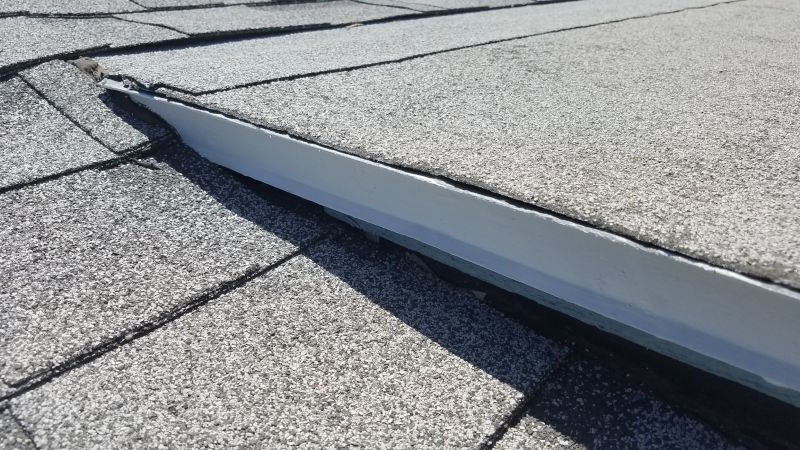
When comparing service providers for roof flashing, it’s important to consider their experience with similar projects. Homeowners should inquire about how many times the contractor has handled installations or repairs involving different types of roof flashing and where each is used. An experienced contractor will understand the nuances of selecting the right flashing materials for specific roof designs and weather conditions, ensuring the job is done properly the first time. Additionally, seeking references or examples of past work can provide insight into their familiarity with various flashing types and their ability to adapt to unique roofing situations.
Clear written expectations are essential when evaluating local contractors for roof flashing services. Homeowners should ensure that the scope of work, materials to be used, and the installation process are clearly outlined in any proposal or agreement. This transparency helps prevent misunderstandings and ensures that both parties have aligned expectations regarding the quality and durability of different types of roof flashing and where each is best applied. Well-defined communication also makes it easier to address questions or concerns that may arise during the project, contributing to a smoother experience.
Reputable references and good communication are key factors in selecting a reliable service provider. Homeowners are encouraged to ask for recommendations from previous clients or to verify the contractor’s reputation through local reviews. A contractor who communicates clearly and promptly can better explain the reasons behind choosing specific flashing types for particular areas of the roof, helping homeowners understand the reasoning and benefits. Strong communication and positive references together provide confidence that the local contractor is capable of delivering quality work tailored to the specific requirements of roof flashing and where each is used.
Property owners often search for types of roof flashing and where each is used when they are planning practical projects around their homes and businesses. Local pros provide Roof Flashing services for everyday jobs and straightforward project options.

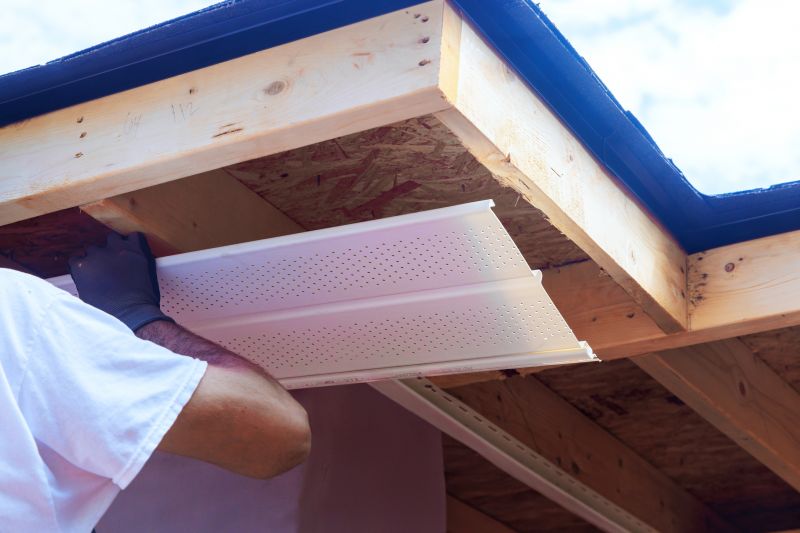
Understanding the different types of roof flashing and where each is used can help property owners better protect their homes from water intrusion. Common types include step flashing, used along the sides of chimneys and walls to direct water away from joints, and continuous or roll flashing, which is often installed along roof edges and valleys for a seamless barrier. Flashing around roof penetrations like vents, skylights, and pipes also plays a crucial role in preventing leaks. When considering roof flashing services, local contractors can assess the specific needs of a property and recommend the appropriate materials and installation techniques to ensure long-lasting protection.
Property owners in the area often seek out experienced service providers to handle the installation, repair, or replacement of roof flashing. Proper installation is essential, as improper flashing can lead to water damage and costly repairs down the line. Local service providers are familiar with the common types of flashing used in the region and can advise on the best options for each part of a roof. Whether it’s sealing around a chimney or installing new valley flashing, connecting with local experts ensures that the right materials are used and that the work is done correctly to maintain the home’s integrity.
What are common types of roof flashing? Common types include step flashing, continuous (or apron) flashing, and valley flashing, each designed for specific areas of a roof to prevent leaks and water intrusion.
Where is step flashing typically used? Step flashing is usually installed along the sides of chimneys, walls, and dormers to direct water away from vertical surfaces and into the roofing system.
What is valley flashing and where should it be installed? Valley flashing is used in roof valleys where two roof planes meet, helping water flow efficiently and preventing leaks in these vulnerable areas.
Why is continuous flashing important on a roof? Continuous flashing is often used along roof edges and around features like skylights to create a seamless barrier against water penetration.
How do local contractors determine which type of flashing to install? Local contractors assess the roof’s design, materials, and specific areas prone to water exposure to select the appropriate types of roof flashing for each location.
Step flashing installation - property owners can plan to have step flashing installed around chimneys and vents to prevent leaks, with local contractors ensuring proper placement during roof repairs.
Continuous flashing application - when sealing roof valleys or along roof edges, property owners should consider continuous flashing, which local pros can expertly install for long-lasting protection.
Metal flashing choices - choosing the right metal for roof flashing, such as aluminum or copper, can be guided by local service providers to match the roof type and weather conditions.
Specialized flashing for dormers - property owners can improve dormer waterproofing by having local contractors install tailored flashing systems that fit the unique angles and joints.
If you are thinking about types of roof flashing and where each is used for a property, this guide is meant to help you understand this topic, the typical project types, and how different options might fit your plans.
When you are ready, you can use the quote form on this page to share a few details about your project. From there, local pros can review the basics and follow up with options that match what you have in mind.