Signs Your Roof Needs New Roof Capping
If you notice signs your roof needs new roof capping, local contractors can assess the damage and provide expert installation to protect your home.
Property owners in the area who notice issues with their roofs may find it helpful to understand the signs indicating the need for new roof capping. Recognizing these warning signals early can prevent more extensive damage and costly repairs down the line. Common indicators include visible damage such as cracked or missing capping, leaks inside the property, or an accumulation of debris and moss that suggest the existing roof covering is deteriorating. By staying alert to these signs, homeowners and business owners can ensure their properties remain protected and well-maintained.
For those experiencing or suspecting these issues, connecting with experienced local contractors can provide clarity and expert assistance. These professionals specialize in roof capping services, offering solutions that help restore the integrity of a roof’s structure and appearance. Exploring options with trusted service providers can ensure that any necessary repairs or replacements are handled efficiently, giving property owners peace of mind that their roofs are secure and durable. Keep reading to learn more about the specific signs that indicate a roof capping upgrade might be needed.
- homeowners noticing cracked or missing roof capping should consider professional assessment to prevent further damage, with local contractors providing expert repairs. - signs of water leaks or staining on ceilings often indicate that roof capping needs replacement, and local service providers can handle the necessary work. - when roof capping appears warped or weathered, local pros can evaluate the severity and recommend appropriate replacement solutions. - visible deterioration or corrosion on roof edges signals the need for new roof capping, with local contractors offering timely repair services. - if flashing around chimneys or vents is loose or damaged, local service providers can replace roof capping to restore protection and prevent leaks.
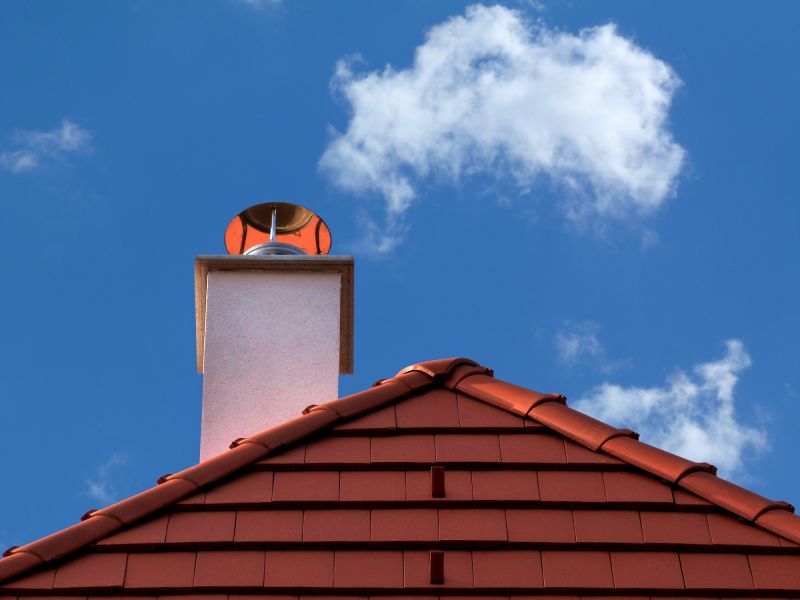
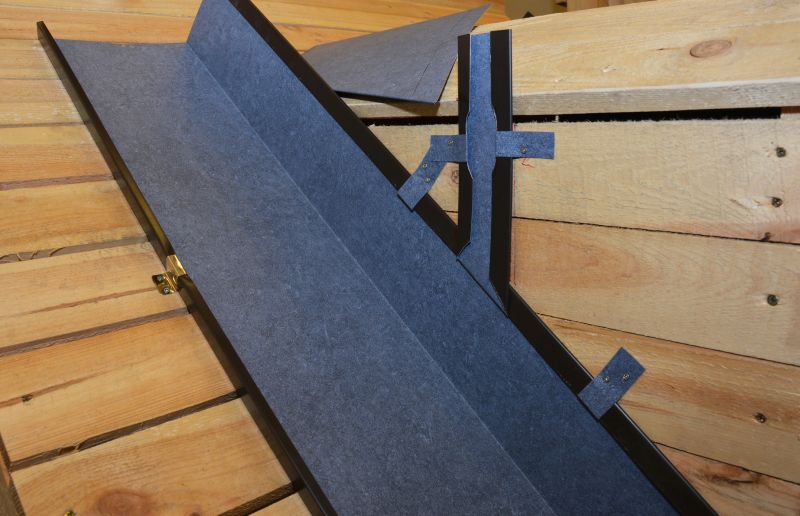
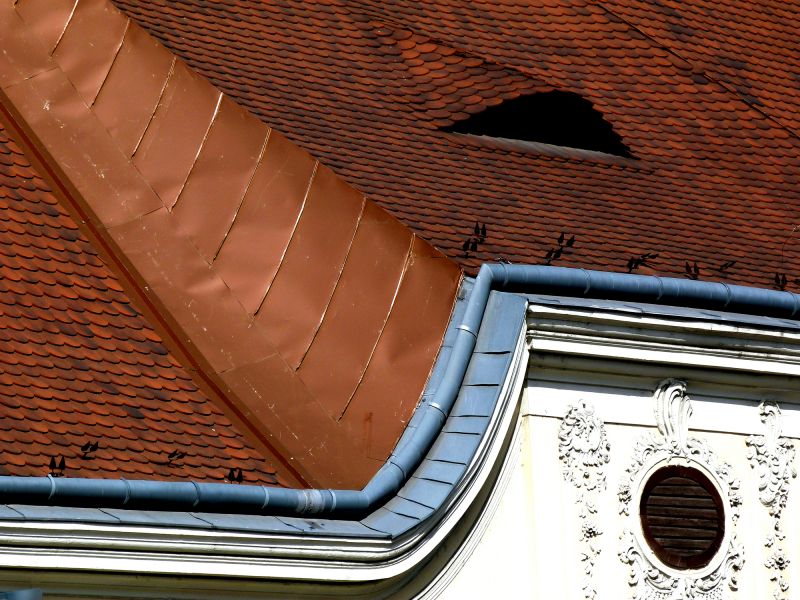
When homeowners search for signs their roof needs new roof capping, they are often trying to identify early indicators of damage or deterioration that could compromise the roof’s integrity. Roof capping, which involves replacing or repairing the topmost layer of roofing material, is a common part of maintaining a roof’s durability and weather resistance. People typically look for signs that suggest the existing capping has become compromised, such as visible damage, gaps, or wear that may lead to leaks or further structural problems. Recognizing these signs early can help prevent costly repairs down the line and ensure the roof continues to protect the property effectively.
This topic relates closely to issues and plans involving roof maintenance, repairs, or complete replacements. When roof capping shows signs of aging or damage, property owners often consider whether a repair or full replacement is necessary. Common problems prompting this concern include cracked or missing capping, rust or corrosion in metal components, or areas where the capping has lifted or shifted. Homeowners may also be planning upgrades to improve the roof’s lifespan or to address aesthetic concerns. Local contractors who specialize in roof capping can assess the condition of existing materials and recommend appropriate solutions, whether that involves patching, resealing, or installing entirely new capping to restore the roof’s protective barrier.
The types of properties that frequently encounter issues with roof capping span a variety of building styles and ages. Residential homes, especially older houses with traditional roofing materials, often experience wear and tear on their capping components. Commercial buildings and multi-family complexes are also common sites for roof capping concerns, particularly where flat roofs or metal roofing systems are used. Additionally, properties exposed to harsh weather conditions or with poorly maintained roofs may be more prone to capping problems. Identifying signs of deterioration early allows property owners to work with local service providers who specialize in different types of roofing systems, ensuring the right solutions are implemented for each property’s specific needs.
Understanding the signs that indicate the need for new roof capping helps homeowners connect with local pros capable of addressing these issues efficiently. Whether it’s detecting visible damage, noticing leaks, or seeing signs of corrosion, recognizing these indicators can prompt timely repairs or replacements. Working with experienced service providers ensures that the capping is properly installed and sealed, which is essential for maintaining the overall health of the roof. Properly functioning roof capping not only enhances the durability of the roof but also helps prevent water intrusion and structural damage, making it an important aspect of ongoing property maintenance.
Roof Inspection Services - Professionals who perform comprehensive roof inspections can identify signs that indicate the need for new roof capping, such as damaged or deteriorating materials.
Roof Repair Projects - Repair specialists often handle issues related to worn or compromised roof capping, ensuring the roof maintains its protective barrier.
Chimney Flashing Replacement - This work involves installing or repairing flashing around chimneys, which shares skills with roof capping to prevent leaks and water damage.
Gutter and Downspout Installation - Properly installed gutters and downspouts are essential for managing water runoff, a task that requires similar planning and tools as roof capping.
Vent and Skylight Installation - Installing vents and skylights involves sealing and flashing techniques comparable to those used in roof capping to prevent leaks.
Roof Leak Repair - Addressing leaks often requires identifying and replacing compromised capping or flashing, making it relevant to signs your roof needs new roof capping.
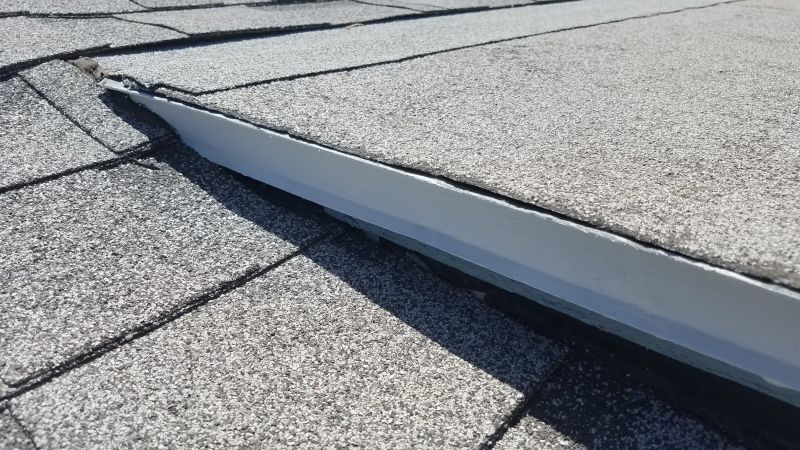
When evaluating service providers for roof capping, it is important to consider their experience with similar projects. Homeowners should look for local contractors who have a proven track record of handling roof capping work comparable to their specific needs. This can include understanding the types of roofing materials used, the complexity of the roof structure, and the typical challenges encountered during such projects. An experienced contractor is more likely to deliver quality results and navigate potential issues efficiently, ensuring that the roof’s integrity is restored and maintained.
Clear, written expectations are essential when choosing a roof capping service provider. Homeowners should seek out professionals who provide detailed project descriptions, including scope of work, materials to be used, and the estimated process timeline. Having this information in writing helps prevent misunderstandings and ensures both parties are aligned on the project’s goals. Reputable service providers typically communicate openly about what the project entails, what homeowners can expect during each phase, and any potential considerations that might arise, fostering transparency and trust.
Good communication and reputable references are critical factors in selecting a dependable contractor. Homeowners are encouraged to inquire about references or reviews from previous clients who had similar work done. This feedback can offer insights into the contractor’s professionalism, reliability, and quality of work. Additionally, effective communication throughout the project-such as prompt responses to questions and clear updates-can make the process smoother and more predictable. Choosing local service providers known for their professionalism and positive client interactions can help ensure the roof capping work is completed to satisfaction and with minimal surprises.
Property owners often search for signs your roof needs new roof capping when they are planning practical projects around their homes and businesses. Local pros provide Roof Capping services for everyday jobs and straightforward project options.
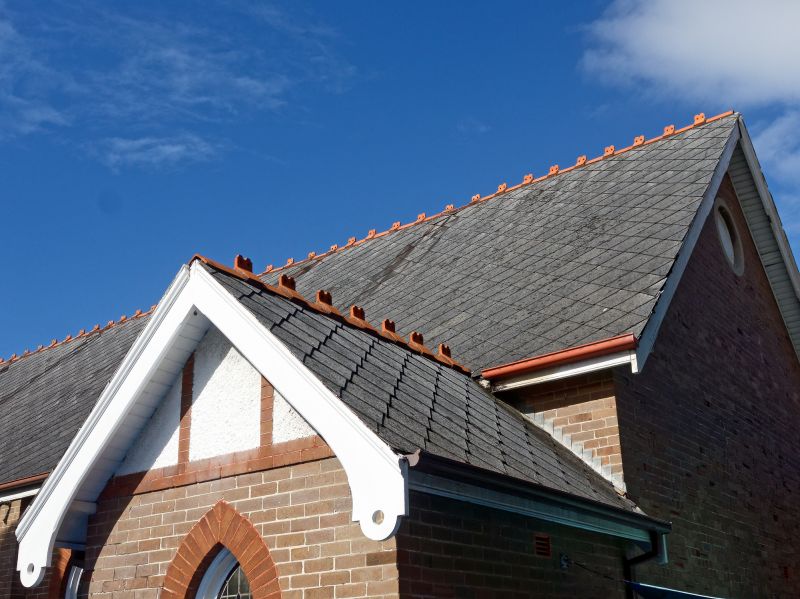
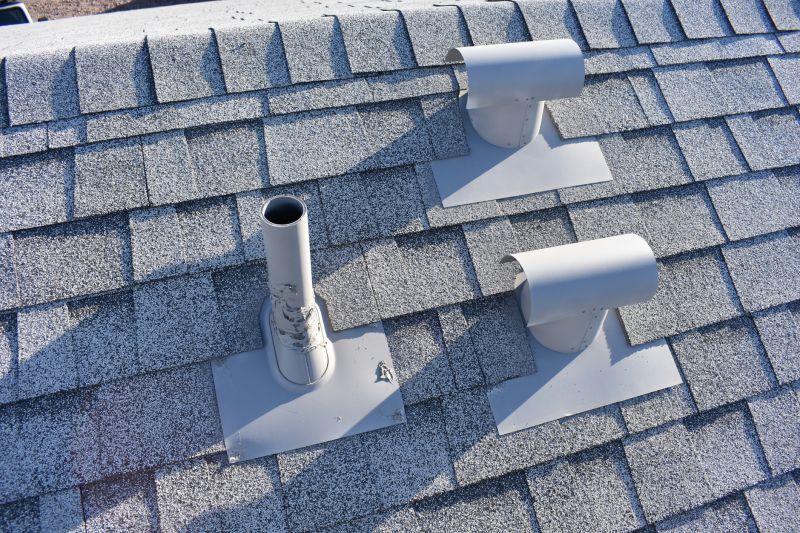
Property owners in the area often notice visible signs that their roof may need new roof capping, especially after severe weather or seasonal changes. Common indicators include cracked, curled, or missing shingles, which can expose the underlying structure to the elements. Additionally, if there are water stains on ceilings or walls, it may suggest that the existing roof capping is compromised and no longer providing adequate protection. Recognizing these signs early can help property owners decide when to seek the expertise of local contractors who specialize in roof capping services.
Other everyday situations might also prompt a closer inspection of roof integrity. For example, during routine maintenance or cleaning, property owners may discover loose or deteriorated capping materials along the roof edges or around vents and chimneys. Over time, age-related wear can cause the capping to weaken, leading to potential leaks and structural issues. When these signs are present, consulting with experienced local service providers can ensure the roof is properly repaired or replaced, helping to maintain the property's durability and appearance.
What are common signs that my roof needs new roof capping? Visible damage such as cracked, loose, or missing capping, as well as signs of water leaks or stains on ceilings, can indicate the need for new roof capping. Local contractors can assess these issues and recommend appropriate repairs.
How can I tell if roof capping has deteriorated over time? Signs include rust, warping, or curling of the capping material, along with increased debris buildup or gaps that allow water infiltration. Experienced service providers can identify these problems during inspections.
Are there specific weather-related signs that suggest my roof capping needs replacement? Exposure to severe storms, high winds, or heavy rain can cause damage to roof capping, such as lifting or cracking. Local pros can evaluate storm-related impacts and advise on necessary capping repairs.
What role do age and material type play in determining if roof capping needs replacement? Older capping materials or those made from less durable substances are more prone to wear and damage, making replacement more likely. Service providers can determine if age-related deterioration requires new capping.
Can visible mold or moss on my roof indicate issues with the roof capping? Yes, mold, moss, or algae growth can suggest moisture penetration due to compromised capping, and local contractors can address these issues through proper capping replacement or repairs.
Visible damage or corrosion - noticing rust, cracks, or missing sections on roof capping can indicate the need for replacement and should be evaluated by local contractors.
Water leaks or stains - signs of water intrusion inside the property may mean the existing roof capping is compromised and requires professional attention.
Age of the roof capping - when roof capping has been in place for many years, local service providers can assess whether it’s time for a new installation.
Wind or storm damage - after severe weather, inspecting for loose or damaged capping can help determine if repairs or replacement are necessary.
If you are thinking about signs your roof needs new roof capping for a property, this guide is meant to help you understand this topic, the typical project types, and how different options might fit your plans.
When you are ready, you can use the quote form on this page to share a few details about your project. From there, local pros can review the basics and follow up with options that match what you have in mind.